Bitcoin – Complete Beginner Guide 2026
Bitcoin is a digital currency that exists only on the internet. You cannot physically hold it like cash or coins, but you can send and receive it online. It was introduced in 2009 by an unknown person or group using the name Satoshi Nakamoto. The main goal behind Bitcoin was to create a form of money that does not rely on banks or governments.
In simple terms, Bitcoin is a decentralized digital currency. Decentralized means no single authority, bank, or government controls it. Instead, it operates on a global network of computers. This makes Bitcoin different from traditional currencies like the US Dollar or Euro, which are issued and controlled by central banks.
Bitcoin works using a technology called blockchain. A blockchain is a digital ledger that records all Bitcoin transactions. Every time someone sends or receives Bitcoin, the transaction is verified by computers in the network and then added to the blockchain. Once a transaction is recorded, it cannot easily be changed. This makes the system transparent and secure.
Bitcoin transactions are peer-to-peer. This means you can send Bitcoin directly to another person without needing a bank or payment company. To send Bitcoin, you need the recipient’s wallet address. A wallet address is a unique string of letters and numbers that identifies where the Bitcoin should be sent.
A Bitcoin wallet is a tool that allows you to store, send, and receive Bitcoin. Wallets can be software-based or hardware-based. Software wallets include mobile apps, desktop programs, or online wallets provided by exchanges. These are often called hot wallets because they are connected to the internet. Hardware wallets are physical devices that store Bitcoin offline. These are called cold wallets and are considered more secure because they are less vulnerable to hacking.
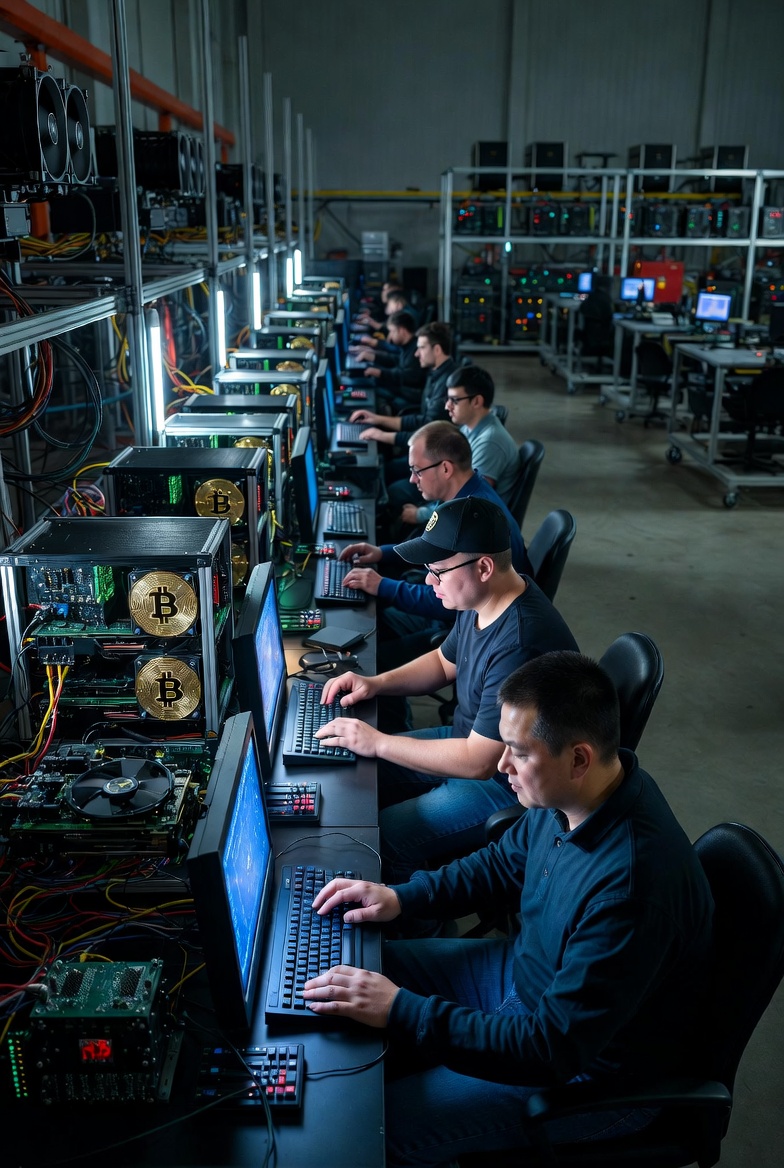
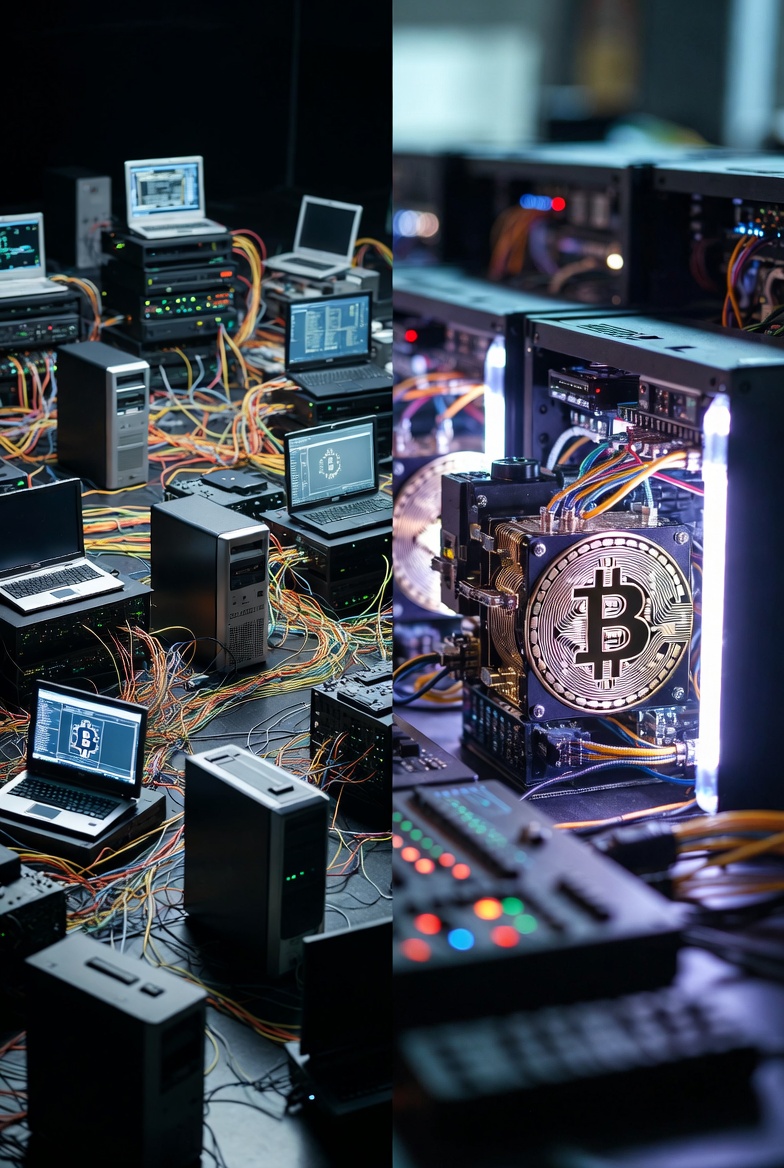
Another important concept is Bitcoin mining. Mining is the process by which new Bitcoins are created and transactions are verified. Miners use powerful computers to solve complex mathematical problems. When a problem is solved, the transaction is confirmed and added to the blockchain. As a reward, miners receive newly created Bitcoin. Mining also keeps the network secure and prevents fraud.
One of the key features of Bitcoin is its limited supply. There will only ever be 21 million Bitcoins in existence. This limit is built into the system’s code. Because the supply is limited, many people compare Bitcoin to digital gold. When demand increases and supply remains limited, the price can rise. This is one reason why Bitcoin has experienced significant price growth over the years.
Bitcoin is often used for investment purposes. Many people buy Bitcoin hoping its value will increase over time. Others use it for transferring money internationally because it can be faster and sometimes cheaper than traditional banking systems. However, Bitcoin’s price is highly volatile. It can rise or fall quickly within a short period, which makes it a high-risk investment.
Security is very important when dealing with Bitcoin. Since transactions cannot be reversed, if you send Bitcoin to the wrong address, it is usually gone permanently. Also, if someone gains access to your private key, they can control your Bitcoin. A private key is a secret code that allows you to access and manage your funds. That is why it is essential to store private keys safely and never share them.
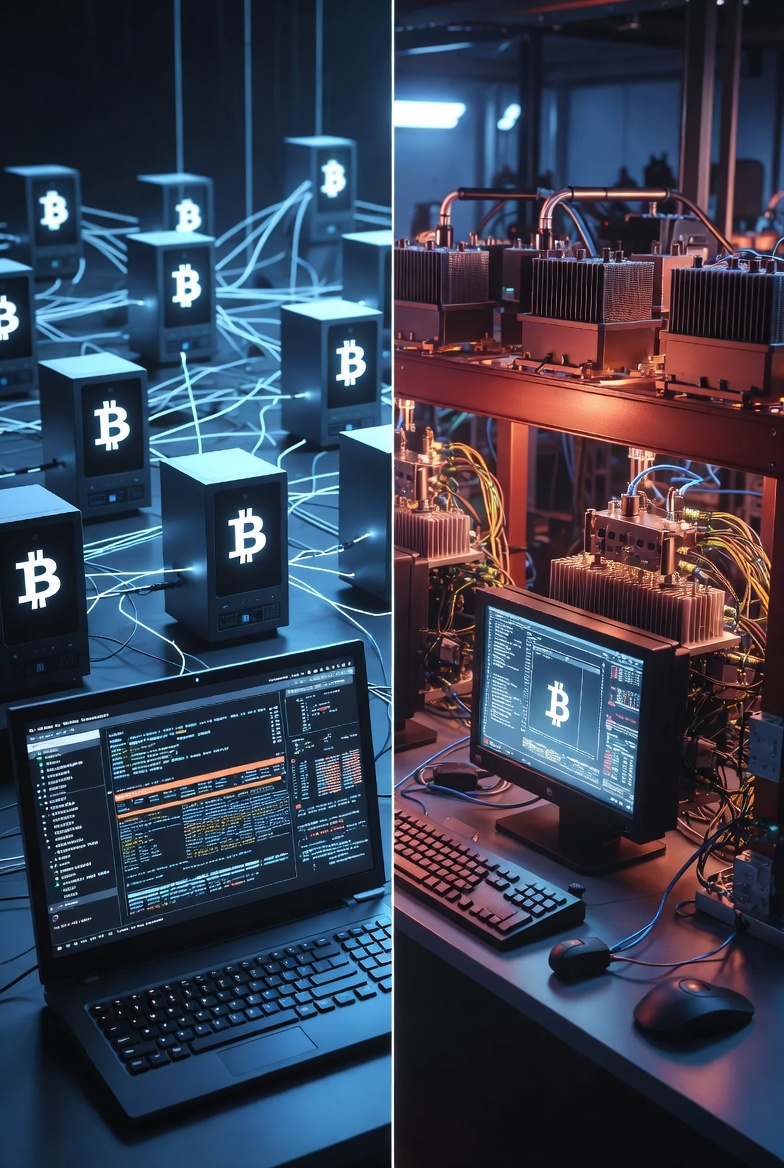
Bitcoin also offers a level of transparency. All transactions are recorded publicly on the blockchain. Anyone can view transaction details, but personal identities are not directly shown. Instead of names, users are identified by wallet addresses. This provides pseudonymity rather than full anonymity.
In 2026, Bitcoin continues to play a major role in the cryptocurrency market. It remains the first and largest cryptocurrency by market value. Many companies and institutions now recognize Bitcoin as a legitimate digital asset. Some businesses accept it as payment, and some investors consider it a long-term store of value.
However, Bitcoin also faces challenges. Governments in different countries have different regulations regarding cryptocurrency. Some countries support it, while others restrict or ban its use. Environmental concerns have also been raised due to the high energy consumption of Bitcoin mining. As technology evolves, solutions are being developed to make the system more efficient.
If you are a beginner and want to start with Bitcoin, the first step is to create an account on a trusted cryptocurrency exchange. After verifying your identity, you can deposit money and buy Bitcoin. Once purchased, you can keep it in the exchange wallet or transfer it to a personal wallet for greater security. It is generally recommended to use a secure wallet if you plan to hold Bitcoin for the long term.
Before investing, it is important to do your own research. Learn about how the market works, understand the risks, and never invest more money than you can afford to lose. Cryptocurrency markets can be unpredictable, and prices can change rapidly.
In conclusion, Bitcoin is a revolutionary digital currency that introduced a new way of thinking about money. It operates without central control, uses blockchain technology for security and transparency, and has a limited supply of 21 million coins. While it offers exciting opportunities, it also carries risks. For beginners in 2026, understanding the basics of how Bitcoin works is the first step toward making informed decisions in the world of cryptocurrency.