In 2026, many investors are comparing Bitcoin and gold to decide which is the better investment. Both are considered stores of value, but they are very different in nature. Gold has been used as money and a store of wealth for thousands of years, while Bitcoin is a digital asset created in 2009. Understanding their differences is essential before making an investment decision.
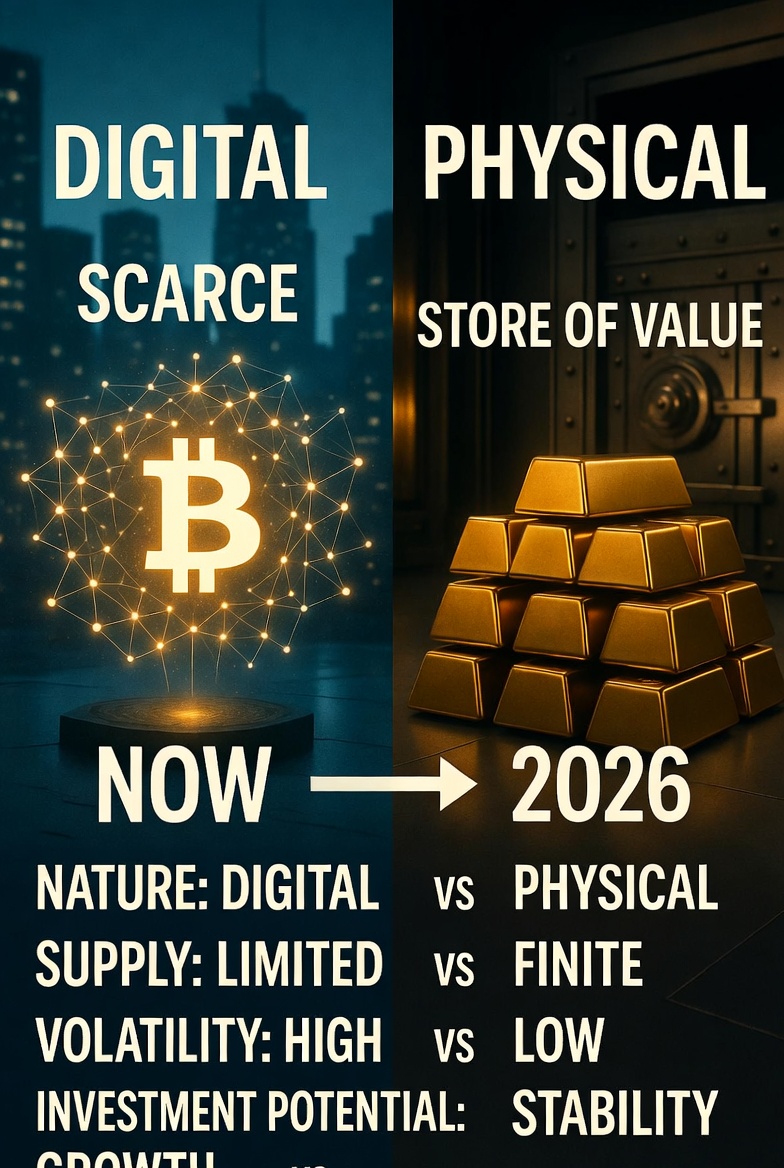
Nature and Form
Gold is a physical precious metal. It is tangible, meaning you can hold it in your hand. It is used in jewelry, technology, and as a reserve asset by central banks. Its value comes from its rarity, durability, and long history of trust.
Bitcoin, on the other hand, is completely digital. It exists only on a decentralized blockchain network. You cannot physically hold it. Its value comes from technology, limited supply, decentralization, and increasing global adoption.
Supply and Scarcity
Gold is scarce, but its total supply is not fixed. New gold is mined every year, and if new reserves are discovered, supply can increase. However, mining gold is expensive and time-consuming, which naturally limits supply growth.
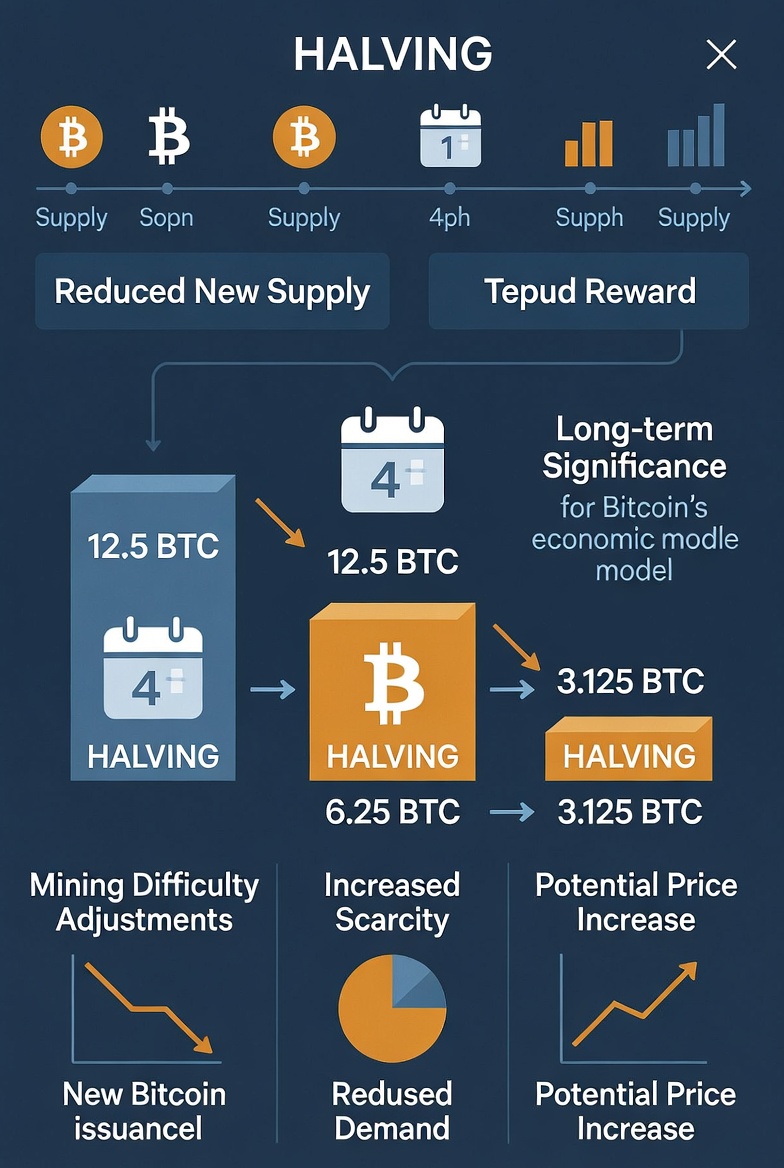
Bitcoin has a strictly limited supply of 21 million coins. This limit is coded into its system. No authority can change this rule easily. Because of this fixed supply, many investors call Bitcoin “digital gold.” In 2026, this limited supply continues to attract long-term investors who are concerned about inflation.
Volatility
One major difference between Bitcoin and gold is volatility. Gold is generally stable compared to cryptocurrencies. Its price moves slowly and is often used as a safe-haven asset during economic uncertainty.
Bitcoin is much more volatile. Its price can rise or fall sharply within days or even hours. This volatility creates opportunities for high returns but also increases risk. In 2026, Bitcoin still experiences strong price swings, making it more suitable for investors who can tolerate risk.
Inflation Hedge
Gold has traditionally been used as a hedge against inflation. When fiat currencies lose value, gold often maintains or increases its purchasing power. That is why central banks hold gold reserves.
Bitcoin is also considered by many to be a hedge against inflation because of its fixed supply. However, Bitcoin’s shorter history means it has not yet proven itself over centuries like gold. Still, many modern investors see Bitcoin as a digital alternative to gold in the digital economy.
Accessibility and Portability
Bitcoin is easier to transfer globally. You can send Bitcoin to anyone in the world within minutes, without banks. It is highly portable because it is digital.
Gold is heavier and more difficult to transport in large quantities. Storing gold also requires secure vaults or physical safekeeping, which may involve extra costs.
Security and Storage
Gold must be physically stored, either at home or in secure vaults. Physical storage can carry risks such as theft.
Bitcoin requires secure digital storage using private keys. If you lose your private key, you lose access to your funds permanently. However, with proper security measures like hardware wallets, Bitcoin can be stored safely.
Regulation and Trust
Gold is universally recognized and widely accepted. Governments, institutions, and investors trust gold because of its long history.
Bitcoin operates in a more complex regulatory environment. Some countries fully support it, while others restrict its use. However, by 2026, institutional adoption has increased, and many companies and investment funds include Bitcoin in their portfolios.
Return Potential
Historically, Bitcoin has delivered much higher returns than gold over shorter time periods. However, these returns come with much higher risk. Gold usually provides steady but moderate growth over the long term.
Investors looking for stability may prefer gold. Those looking for higher growth potential may consider Bitcoin, understanding the risks involved.
Which Is Better in 2026?
The answer depends on your investment goals and risk tolerance. If you want stability, lower volatility, and a long history of reliability, gold may be the better choice. If you are comfortable with risk and believe in digital assets and blockchain technology, Bitcoin may offer greater long-term growth potential.
Many financial experts suggest diversification. Instead of choosing only one, investors can allocate part of their portfolio to gold for stability and part to Bitcoin for growth. This strategy reduces risk while maintaining exposure to both traditional and digital assets.
Conclusion
In 2026, both Bitcoin and gold remain strong investment options, but they serve different purposes. Gold represents stability and historical trust. Bitcoin represents innovation, digital scarcity, and high growth potential. The better investment depends on your financial goals, risk tolerance, and long-term strategy. Smart investors often consider holding both to balance risk and reward.